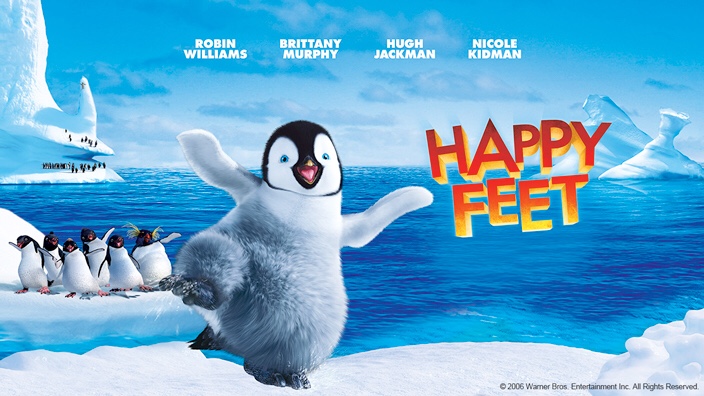
Happy Feet may have been the Oscar-winner and bigger box office hit back in 2006, but the wheels of time have seen Surf’s Up emerge as a legitimate challenger for the title of Best Computer-Animated Penguin Movie From the Mid-2000s. A peculiar mash-up of surfing and penguins, Surf’s Up is told through a mockumentary format, following a group of penguins in a surfing contest. Though directors Ash Brannon and ChrisBuck occasionally deviate from the mockumentary style for a handful of set pieces, the majority of the movie leans on familiar devices like handheld camerawork and characters speaking directly to the camera that were popular in comedies at the time.
It’s a unique quality that results in some of the funniest moments of the movie while a string of memorable vocal performances (particularly JeffBridges as essentially a penguin version of The Dude) also deliver their fair share of memorable laughs. The narrative in Surf’s Up about what it means to be a winner is certainly familiar. However, the execution of that narrative has enough unique qualities to make the movie a wave worth riding.
The actor said the fate of the franchise rests in the hands of the animation studio.
Eddie Murphy says it’s time for another Shrek sequel–or maybe a spinoff series dedicated to his character, Donkey.
“I’d absolutely be open if they ever came with another Shrek, I’d do it in two seconds. I love Donkey,” Murphy revealed in a recent interview with Etalk. “You know, they did Puss in Boots movies. I was like, ‘They should have did a Donkey movie.’ Donkey is funnier than Puss in Boots. I mean, I love Puss in Boots, but he ain’t funny as the Donkey.”
The 61-year-old actor and comedian continued, “I would do a Donkey movie. I would do another Shrek in two seconds.”
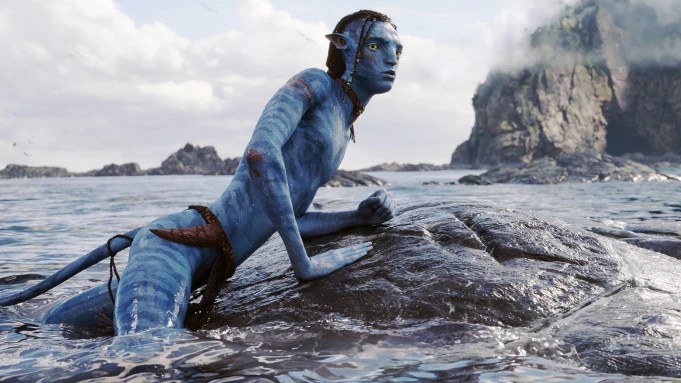
In the wake of the breathtaking Avatar: The Way of Water soaring past the $2 billion global gross mark, the James Cameron-directed epic scored a best picturenomination, along with noms for production design, sound and visual effects. The snub of Cameron’s monumental achievement in the best director category continues the franchise’s complex relationship with Oscar.
Cameron surely breathed a sigh of relief when the film performed as robustly as he hoped it would, clearing the way for three or four sequels as Avatar is set up for the next few years to establish itself as a massive franchise on the order of Star Wars and The Lord of the Rings. Many felt that it was perhaps the biggest bet — the bulk of the sequels were shot at once — since LOTR, when New Line chief Bob Shaye rolled the dice and empowered director Peter Jackson to shoot all three installments in one massive shoot in New Zealand.
The first two films got a swarm of nominations including best picture, but the film’s triumph came in 2004, when it swept the 11 awards The Return of the King was nominated for, including best picture. Jackson also took home awards for best director and best adapted screenplay with Fran Walsh and Philippa Boyens.
Maybe Cameron — who had the same Oscar-winning experience for Titanic — will have the same experience with one of the upcoming Avatar films.
The original Avatar, on the road to becoming the biggest film of all time with a $2.92 billion global gross, drew nine Oscar noms and came away with wins for art direction, cinematography and visual effects. Cameron was snubbed that time for best director and best director by his former close colleague and ex-wife Kathryn Bigelow. In a true David versus Goliath reprise, The Hurt Locker, which cost a fraction of Avatar and had turned in a modest theatrical performance, pulled off the upset.
Cameron will surely be able to console himself with the affirmation that moviegoers still prize plunges into the Avatar universe, and Disney will do so also in the feeling that it will help justify its oft-criticized acquisition of Fox from Rupert Murdoch.
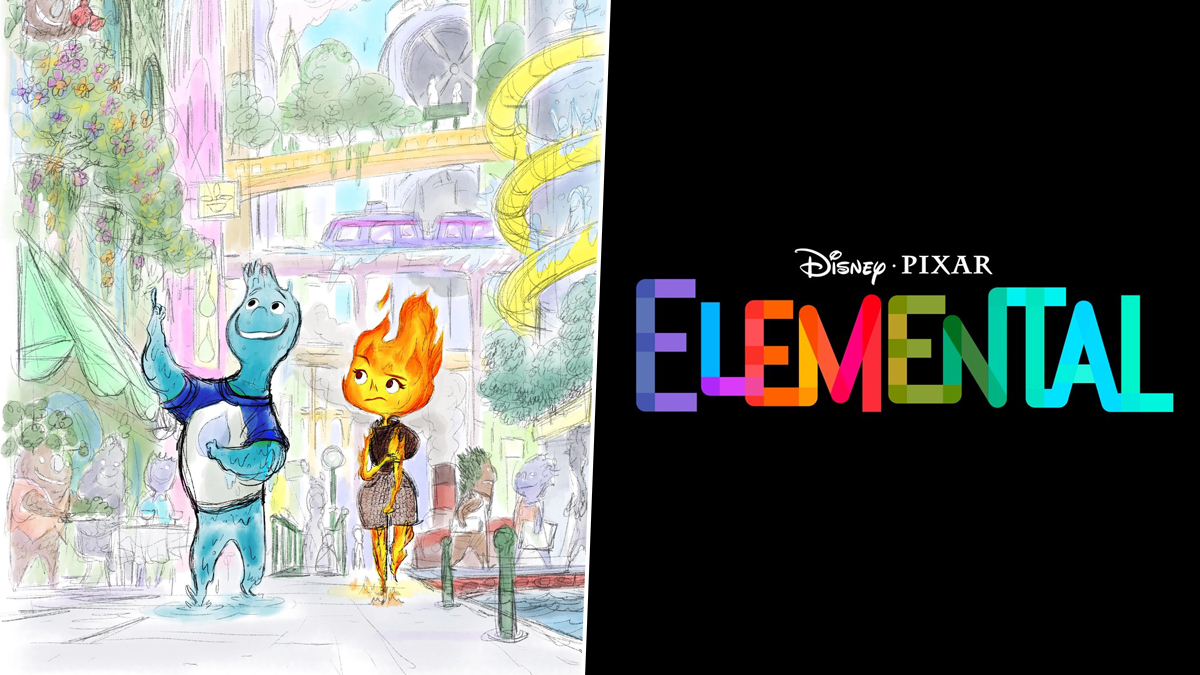
Elemental is most likely Pixar’s most important release in years. There are a few reasons why Elemental is such a big and significant release for Pixar, with the movie possibly determining the future of the production studios based on its success among audiences and its performance during the theatrical run of the movie. Elemental may also be one of Pixar’s most anticipated new releases of the next year ever since its announcement in May 2022 and the further updates on the project that followed. Distributed by Walt Disney Studios, the computer-animated film is set to receive a theatrical release in June 2023.
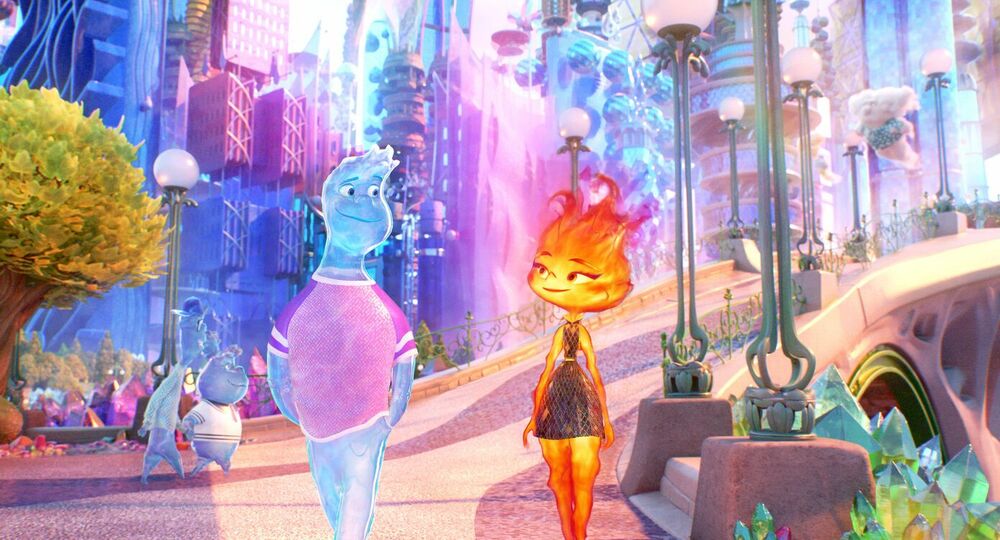
Elemental follows the two opposing elements Ember Lumen, a fire element, and Wade Ripple, a water element, as their bond develops, despite not being able to touch each other, and they discover that they have more in common than they may have initially thought. Replicating Pixar’s “what if X had feelings” formula, Elemental gives life to classical elements, creating anthropomorphic versions of fire and water, exploring their feelings and emotions in the unlikely couple the protagonists form, as Pixar has so often done in the past with other movies that depicted cars, toys, and even emotions themselves having feelings.
Ever since 2020, Pixar’s releases have been relegated to Disney+, with Luca and Turning Red,two of Pixar’s biggest releases in the last two years, both being released on Disney’s streaming platform rather than theatrically. Nonetheless, Pixar’s films are increasingly being transferred to Disney+. Although Covid most likely played a big part in this, the fact that there has not been a Pixar film in the cinema in the last two years is indicative of this trend. With that in mind, Elemental represents Pixar’s chance to invert this. Releasing in 2023, Elemental is the first Pixar film to hit theaters since 2020.
Although Elemental represents a risk for Pixar for other reasons, the question of its theatrical release represents a further risk for Pixar. Similarly, being the first Pixar film to be released at the cinema since 2020 is the reason why Elemental will be such an important release for the studio. In fact, Elemental needs to perform well during its theatrical release in order to turn around the recent trend of Pixar being relegated to Disney+ releases. In fact, whether future Pixar films after Elemental will be released in cinemas or on the streaming platform may be in part dependent on Elemental‘s box office numbers.
Given the previous fate of Pixar releases, it is particularly important for Elemental to prove that Pixar films should not be relegated only to Disney+ but also have theatrical releases as well to reach a wider audience, as was previously evident with films like Inside Out, which resembles Elemental in some ways. The latter is especially significant given Pixar’s legacy of reaching across multiple generations. While Pixar’s movies are associated with childhood, the emotionality of the studio’s films along with the cutting-edge technology used is oftentimes able to create a lasting impact on both children and adults.
Elemental is Pixar’s chance to remind Disney — and the whole world — of its potential as the powerhouse studio behind many beloved animation movies, such as the Cars and Toy Story franchises — to name a few. Elemental can also serve as a reminder of what Pixar really represents. While seemingly playful, Pixar always centers a philanthropic message in its animation, telling its audience that humanity can exist in many different forms in this world, which is present in the story of Elementalas well, as inspired by the director’s experience of growing up in New York City as a son of immigrants.
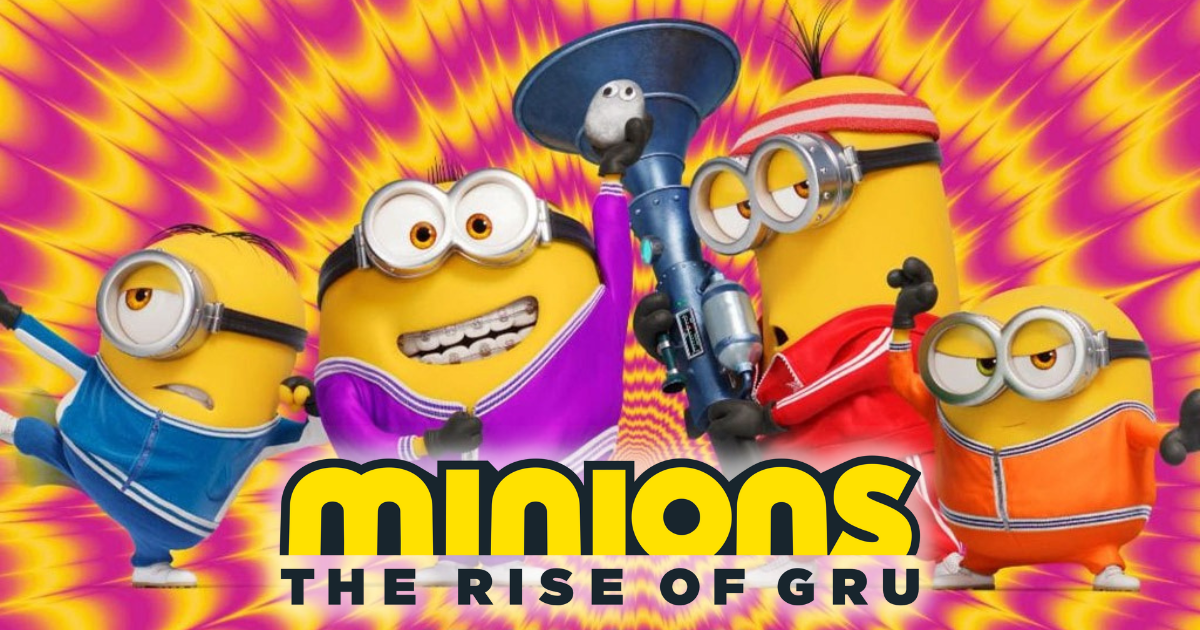
The movie which launched one of 2022’s biggest TikTok trends, Minions: The Rise of Gru has found a new home at Netflix, following its release on the streaming site on January 23, 2023.
Minions: The Rise of Gru directed by Kyle Balda, is a somewhat prequel to the animated 2010 phenomenon Despicable Me, it tells the early story of 12-year-old Gru’s dream to become the world’s greatest supervillain and the origin story of how he first met his iconic Minions. Part of the synopsis, via Minions2Me, teases:
Although we’re still a couple of days away from its debut on Netflix, we thought we’d take a closer look at the cast behind the animated characters.
Minions: The Rise of Gru cast: Who is in the animated movie?
The animated comedy, which has been branded as “the biggest global animated franchise in history” has an A-list cast to voice the characters! Oscar nominee Steve Carell returned to voice the legendary supervillain Gru, and Dame Julie Andrews DBE returned as his mom! There are plenty of other note-worthy and award-winning actors in the lineup! Check out the full cast list, via IMDb, below.
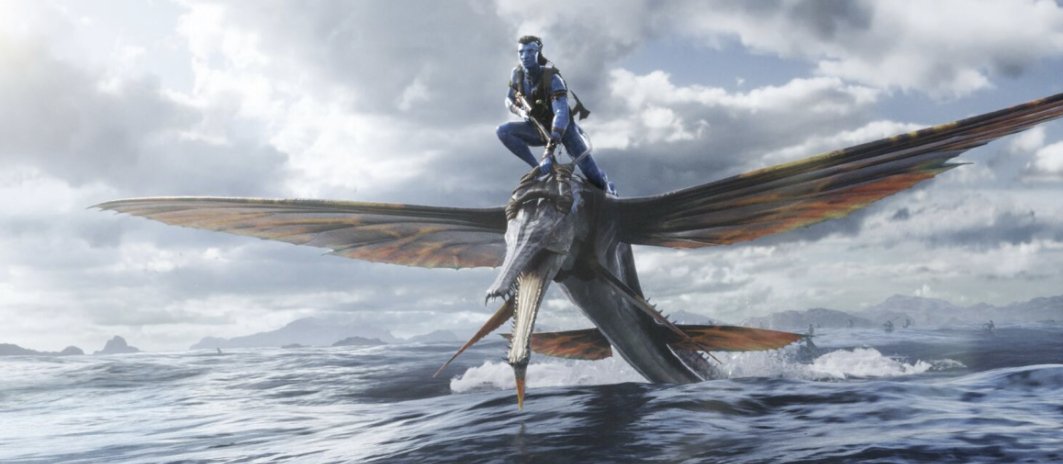
Some claimed it couldn’t be done, but James Cameron’s “Avatar: The Way of Water” is set to hit $2 billion at the worldwide box-office tonight.
It will become only the sixth film in history to accomplish this feat and it’s still got plenty of legs left. When all is said and done, ‘The Way of Water’ could finish as high as third in the all-time worldwide list, right behind “Avengers: Endgame” and, yes, “Avatar.”
The budget for ‘The Way of Water’ was said to be around $450 million, and that’s not counting marketing costs. Three sequels have already been greenlit and Cameron might direct all of them.
‘The Way of Water’ has also surpassed “Spider-Man: No Way Home ($1.91 billion) as the pandemic-era box-office champ. It hasn’t yet made as much domestically as ‘No Way Home,’ it’s around $240 million behind its $814 million total.
What Cameron has done is give moviegoing a much needed boost. Now, a Best Picture nomination would be the icing on the cake, I would imagine ‘Way of the Water’ and “Top Gun: Maverick” figuring in the race would give a much-needed ratings boost to ABC.
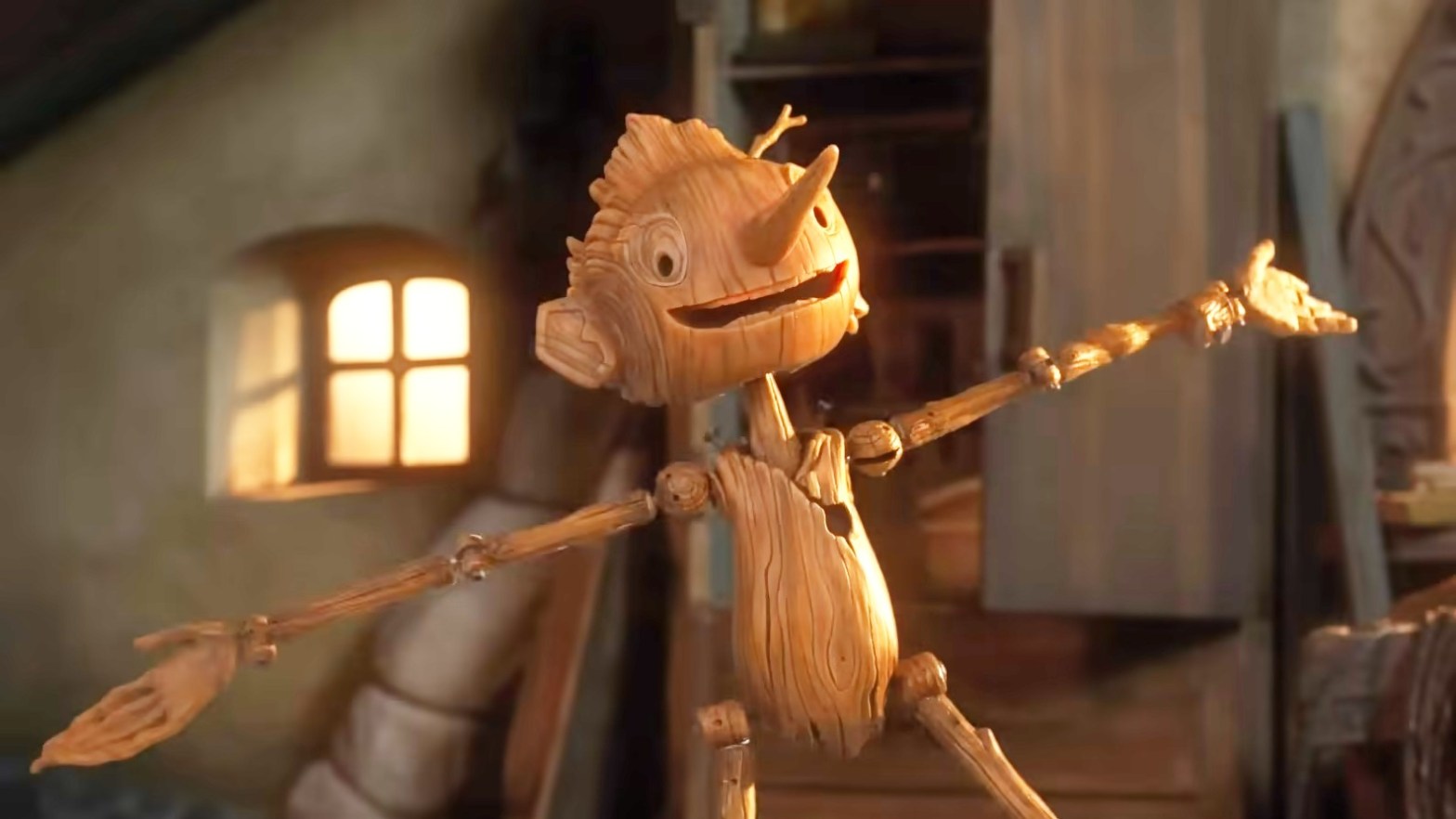
When Guillermo del Toro embarked on the journey to create a new version of Pinocchio, he demanded they do it with no notes from the studio and no preview. He believed that having no studio oversight would liberate the artists involved, and what he ended with was a dark story about death and father-son relationships. According to a report covered by Variety, instead of worrying about what some imaginary kid would think of this movie, he instead believes that the world needs more children like Greta Thunberg.
The 20-year-old Swedish activist was recognized for her activism in 2018 when she was in school before gaining world renown for her speech at the climate change summit in 2019. She was then awarded the Gulbenkian Prize in 2020, earning her $1.15 million, which she, in true form, donated to charity. The activist picked up more steam with her ongoing Twitter feud with men’s rights activist Andrew Tate, which may or may not have lead to his arrest in Romania.
But why does the legendary director want more Greta Thunbergs in the world? She was a big reason why del Toro wanted to do the movie without studio notes; he uses her as an example of who children are today and why studio notes are more harmful than helpful. In his explanation, del Toro explains that studios think of children as skateboarders in suburbia, protected by soccer moms but misunderstood because they are more like the climate change activist.
He says that Greta Thunberg is representative of who children are today and how they are aware of the reality of the world around them. They have faced death (thanks, primarily, to the pandemic) in ways that recent generations haven’t had to, and they see the difference between the world that parents present to their children and the world those children experience outside their locked doors. He says they know we have destroyed ecology, and there is one thing they want.
Who knows whether politicians and people who control policy will actually listen to her or her generation, but there is one thing that Greta Thunberg proved without a doubt, one voice can make a difference. Her speech was short, pointed, and impassioned, and it began a movement within her younger age group to take action against the effects created by the generations before them. Of course, you may just watch Pinocchio and take it as a darker version than the Disney story, but if del Toro has his way, parents will see it as a way to start listening to their children more and allowing them to see the real world.
If I had to place Winter 2023 anime series in a Top 10, The Tale of Outcasts would easily hit my Top 3.
It tells the story of Wisteria, an orphaned girl who is sold by a corrupt priest so she can become a torture subject for an insane nobleman, only to be rescued and befriended by Marbus, an immortal and mysterious being.
long with what quickly turns out to be a lovely story, The Tale of Outcasts also comes with a gorgeous art style.
An art style that is perfectly showcased in the just released The Tale of Outcastscreditless ending animation, which also features the anime’s ending theme song ‘Rewrite‘ by Japanese rock band Hakubi.
An ending animation, by the way, that isn’t actually animated, but is simply made up of stunning still visuals from the anime that would look beautiful on any wall.
The Tale of Outcasts is based on the manga by Makoto Hoshino, and is currently being published in English by Seven Seas Entertainment.
There are six volumes already out, with the seventh due to be published in May, 2023.
Seven Seas has this to say about the manga plot:
Wisteria is an orphan girl living in a corner of the British Empire at the end of the 19th century. Her life is desolate and bleak–until she encounters Marbas, a powerful but equally lonely immortal being with a furry appearance, hounded by hunters. Together, Wisteria and Marbas roam the Empire–populated by humans and human-like beasts–in search of a place where they can live together in peace.
Watch the just-released The Tale of Outcasts creditless ending animation, and enjoy those beautiful visuals, and that lovely ending theme song.
And, if you enjoy Hakubi’s ‘Rewrite‘ as much as I do, you can hear it in full in the Spotify player down below.
The Tale of Outcasts is currently streaming via Crunchyroll.
RELATED: The Tale of Outcasts has the prettiest opening theme song — Listen!
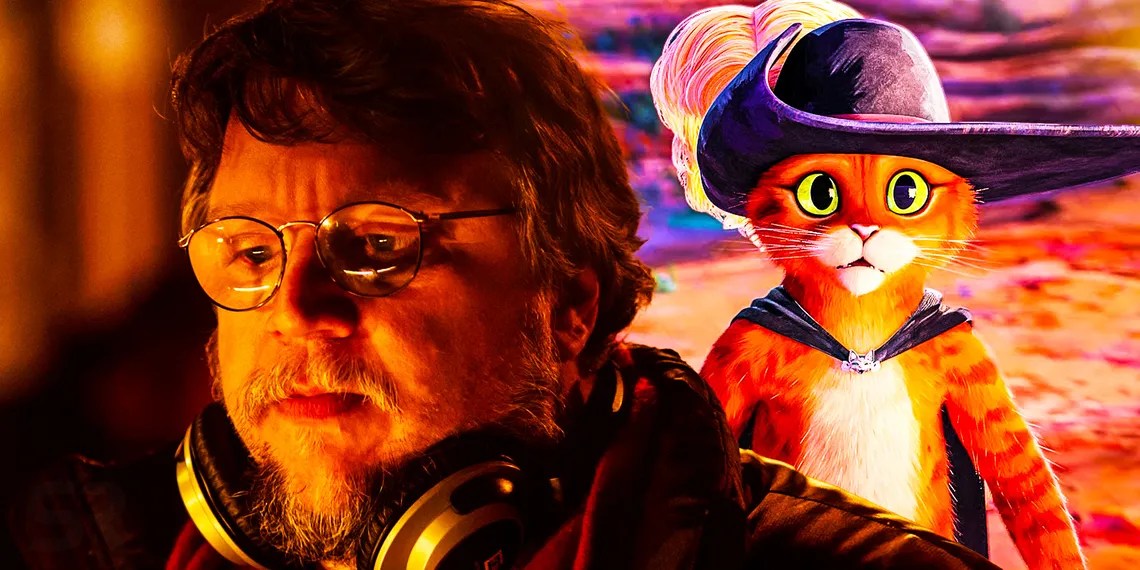
Guillermo del Toro made a big statement about animation at the 2023 Golden Globe Awards and, surprisingly enough, Puss in Boots: The Last Wish proves its legitimacy. At the 2023 Golden Globe Awards, Guillermo del Toro’s Pinocchio won the Golden Globe for Best Animated Feature, which marks del Toro’s first Golden Globe win since The Shape of Water. Upon receiving the award, del Toro gave an emotional speech about how strong a year 2022 was for cinema which, according to him, also meant it was a good year for animation because “animation is not a genre for kids, it’s a medium”.
Guillermo del Toro’s Golden Globes defense of animation calls attention to one of the biggest areas of discourse surrounding the medium: whether or not animation is only for a younger audience. While animation certainly is often used for TV shows and movies designed specifically for kids, it is no less capable of reaching wider audiences than something made in live-action. Examples like Star Wars: The Clone Wars, Avatar: The Last Airbender, and Studio Ghibli’s film catalog are all famous for how popular they are with both children and adults, and another movie that adds to the idea of animation’s universal appeal is, oddly, Puss in Boots: The Last Wish.
At this point, the “Pixar movie” stereotype has become a meme: People go into the animation studio’s projects expecting a family-friendly story focused on non-human protagonists given surprising depth and powerful emotions. There are exceptions, but historically, Pixar has carved out this channel of storytelling for itself, then perfected it. But with a new wave of filmmakers stepping up, Pixar is breaking its own mold. 2021’s Luca is the perfect example, as a lower-key film built around subtle, understated interactions, instead of constructing big drama on the way to an emotionally shattering climax.
Turning Red, which bypasses theaters in the U.S. for Disney Plus, continues the trend. Domee Shi, who directed Pixar’s short film Bao in 2018, creates something special with this project, a deeply personal film that speaks to universal themes. With Turning Red, Shi gleefully celebrates early adolescence, a time of life often portrayed as awkward and cringey, and she revels in extensive cultural specificities that enrich the story. With a bright visual style and specific, evocative storytelling, Turning Red is an incredibly special addition to the Pixar canon, and one of its best films.
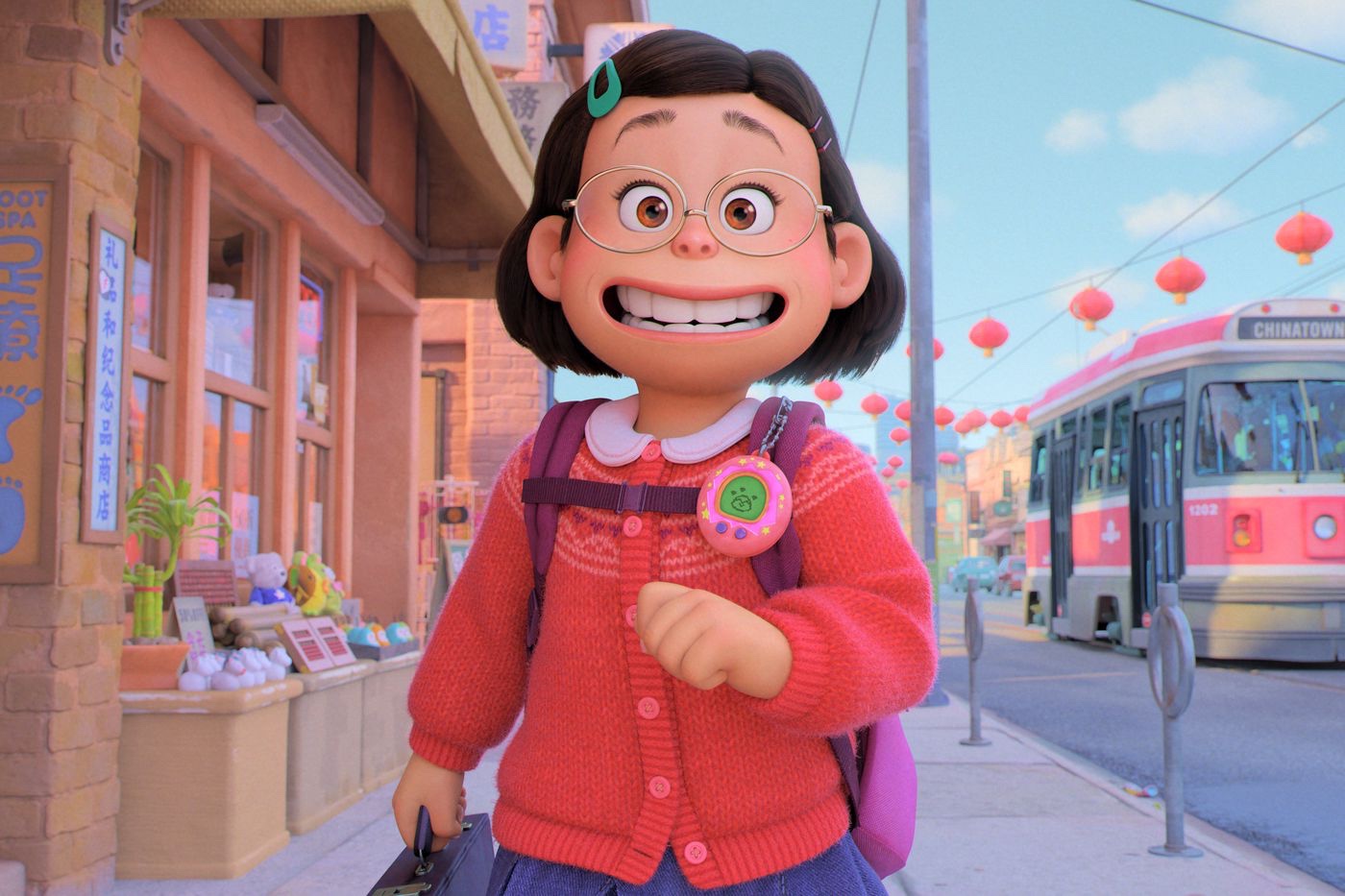
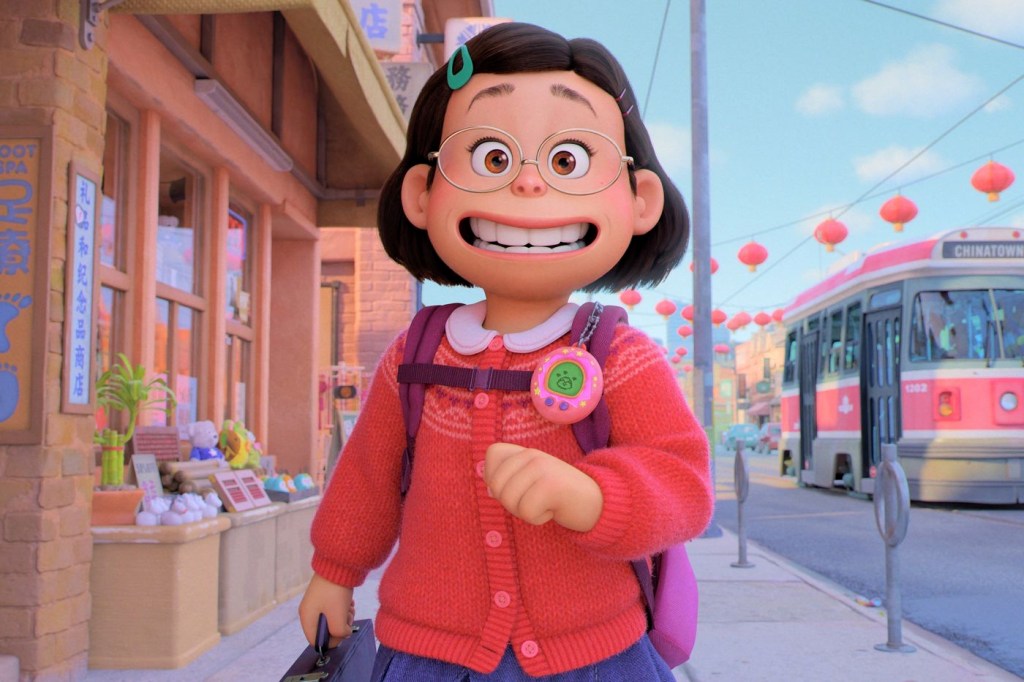
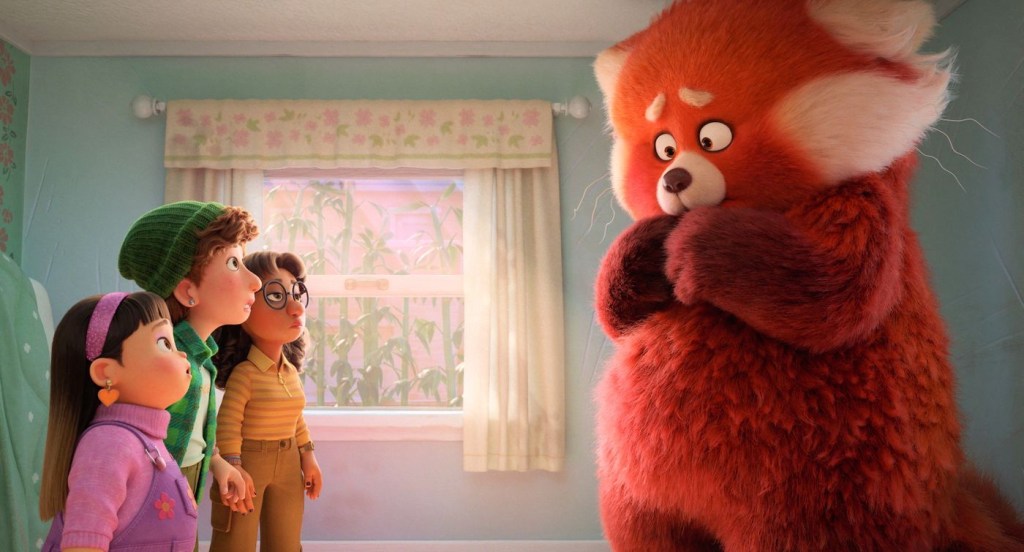
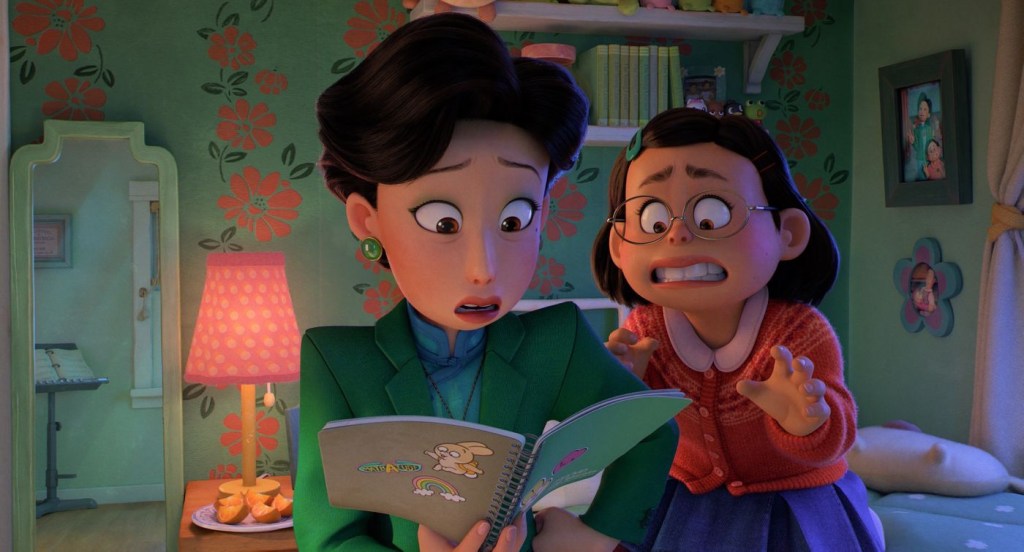
Turning Red follows 13-year-old Mei (Rosalie Chiang), a spunky Chinese-Canadian middle-schooler living in Toronto in the early 2000s, juggling her devotion to her mother and her duties at the family temple with her budding sense of self. After one particularly turbulent day, she wakes up and discovers she’s transformed into a giant red panda. As it turns out, every woman in her family shares this quirk —they turn into pandas when their emotions run high. Mei’s stern mother, Ming (Sandra Oh), tells her she needs to permanently contain the panda with a magical ritual, which Mei dutifully agrees to — but with a new perspective from her close friends, she begins to see the panda not as a source of embarrassment, but a source of joy. As the date of the ritual approaches, Mei is torn between what her mother wants and what she herself desires.
The triumph of Turning Red is in the way it unabashedly embraces adolescent girlhood, particularly the powerful friendships made in this time of life. Mei’s friends — deadpan Priya (Maitreyi Ramakrishnan), passionate Abby (Hyein Park), and ringleader Miriam (Ava Morse) — are all given unique and expressive designs. All-ages animation, including Pixar’s, has historically focused most on male narratives, only leaving room for one or two girls, who are often pitted against each other. It’s refreshing to see a whole cast of supportive female characters who enthusiastically lift each other up and share the same passions. Mei and her friends are superfans of the in-universe boy band 4*Town, and instead of being a focus of deprecating jokes, as boy-band fandom so often is, their enthusiasm becomes a central part of Mei forging her own identity, a source of empowerment and most of all, joy.
At the same time, Shi doesn’t depict Mei’s relationship with her mother and her ties to her family’s culture as burdens. Though Mei does feel restricted by the way her mother turns her nose up at 4*Town and embarasses Mei in front of her crush, she still clearly loves her mom and her family. Shi renders the cultural specificities in Turning Red with such love and care (For instance, the group of older aunties who visit for the panda-control ritual, dressed in the tracksuits and brooch pins that many children of Chinese immigrants will recognize.) These details extend to the emotional ties painted in Turning Red. Mei loves her mother and her family’s temple, the way she knows she’s supposed to. But she also wants to be her own person. As she’s torn between the Western values of independence and the Chinese expectations of filial piety, Mei’s inner conflict hits hard.
Much like Luca, Turning Red takes a step to the left of Pixar’s usual realistic style. The backgrounds are supersaturated in pastel colors, emulating what Shi dubs the “Asian Tween Fever Dream” visual style of the movie. The character designs are also pushed to be more cartoonish than typical Pixar fare, with exaggerated expressions and slapstick movement. Mei’s eyes blossom with anime-esque gigantic pupils and sparkles at various points in the movie. She and her gaggle of friends move as one unit, like the bear stack in We Bare Bears. Their personalities and interactions are all amplified and intense, designed to reflect the heightened emotions of being a preteen.
At its core, Turning Red is about Mei finding out who she is, and what that means for her relationship with her mother. It’s a deeply personal story, one Shi says was inspired by her own relationship with her mother. Like Lee Unkrich and Adrian Molina’s 2017 Pixar movie Coco before it, Turning Red is made up of specific cultural details and relationships that take on more nuanced meaning within the context of the characters’ national backgrounds. But like Coco, Turning Red still tells a universal story about growing up and claiming an identity outside of your family.
As with Bao, Shi never compromises the specificities to pander to more general viewers. Though Mei proclaims at the beginning of the film that she’s full of confidence, she spends most of its runtime growing into actually feeling that sense of self. By the end of the movie, though, she’s fully embraced her individuality, and found ways to let it live alongside the other parts of her life. In that way, Turning Red feels like the result of her growth, a movie that unabashedly and jovially embraces its own identity in such a tender way that it aches.
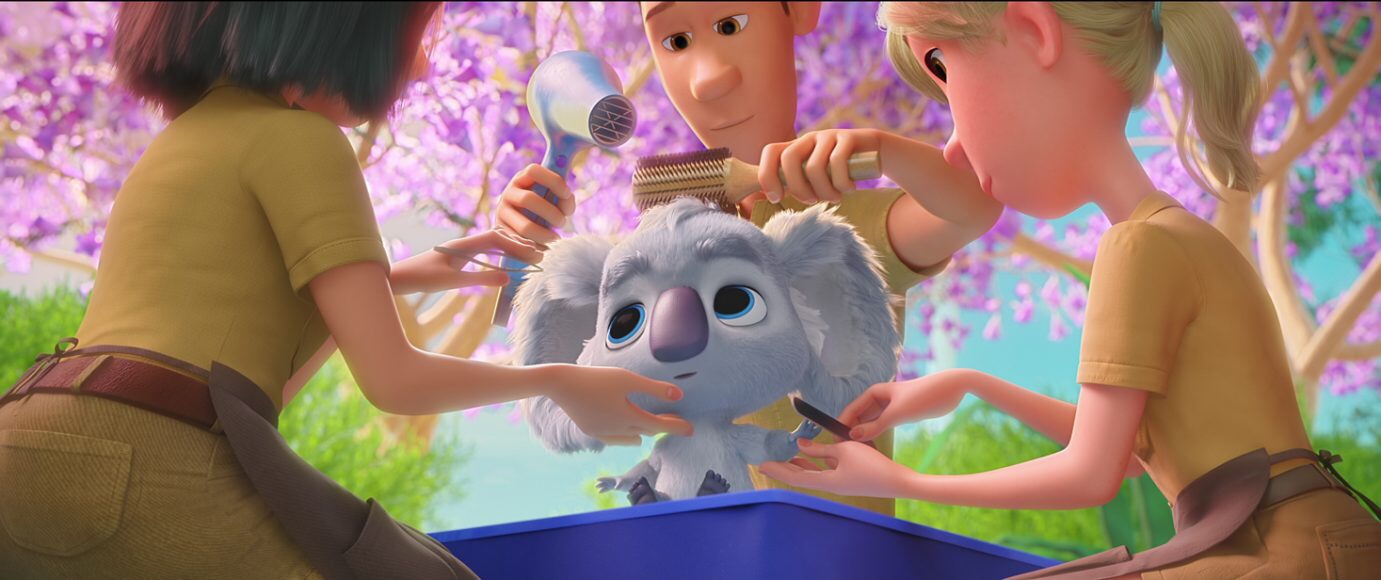
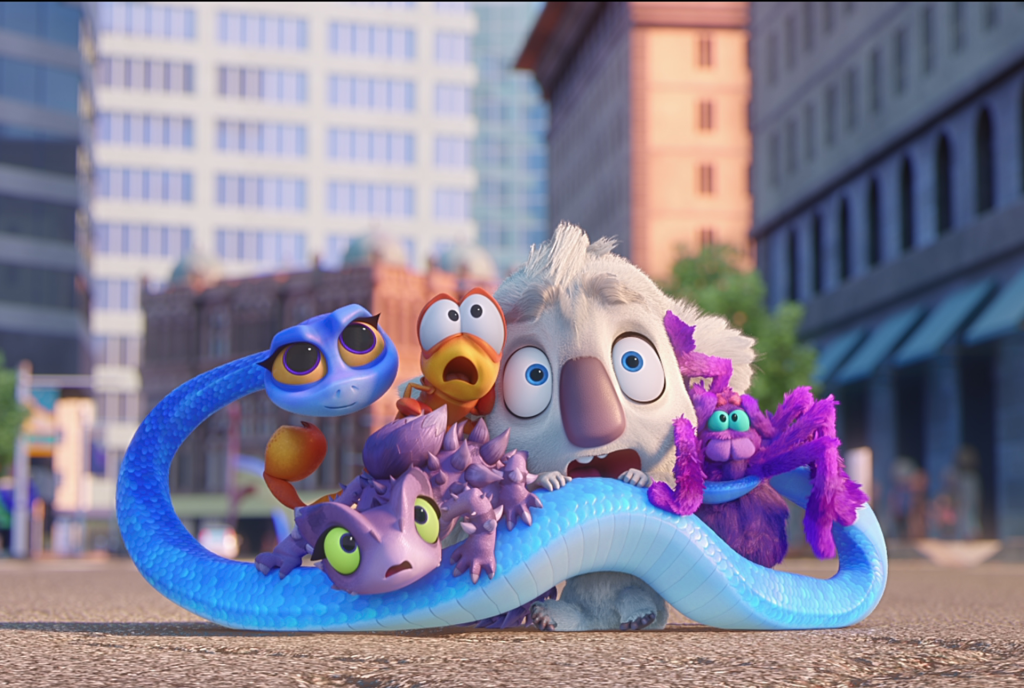
Parents looking for an electronic babysitter over this holiday season will likely pitch “Back to the Outback,” an Australian animated effort dropping today on Netflix, as a variation on “Madagascar.” Remember the cute movies you loved with the wise-cracking penguins and the hypochondriac giraffe, Billy?! This is basically that again. And it really is basically that again. Once more, a group of animals at a sanctuary escape their captors in an effort to go back to the wild, forming an unexpected family along the way. In this case, the sanctuary is in Sydney and the destination is the Outback. Sprinkle in a bit of a “Finding Nemo”-esque journey and the timeless family film message about not judging a book by its cover, and you have a film that feels a bit too much like it was made by a machine instead of actual people. There’s just too little fresh creative passion here in a project that’s sometimes sweet but also remarkably programmatic. Everyone accuses Netflix of designing to the algorithm more than to creative ends. These animal misfits won’t help.